
An Osteopathic Approach to Paediatrics – The First 18 Months of Life
Postgraduate Course in Paediatric Osteopathy
The first 18 months of life represent an extraordinary phase of growth and transformation, during which infants and young children undergo rapid neurological, respiratory, digestive, immune, endocrine and musculoskeletal changes.
Understanding these processes and their potential variations is essential for osteopaths who wish to practise with competence, confidence and awareness in the paediatric field.
This postgraduate course has been designed to provide solid clinical knowledge, advanced assessment skills and the professional reasoning tools essential for managing newborns and young children.
Through an approach that integrates clinical evidence, professional experience and guided practice, participants will develop the skills required to take a thorough medical history, carry out a comprehensive osteopathic assessment, engage in sound clinical reasoning, formulate a functional and differential diagnosis, plan treatment and manage follow-up, whilst recognising situations that require referral to other healthcare professionals.
From pregnancy to birth: understanding the origins of development
The intrauterine experience, birth and the neonatal period profoundly influence a child’s adaptation and development. The course explores the role of key prenatal and perinatal factors that can affect growth and health in both the short and long term.
The following will be analysed:
- Maternal health during pregnancy
- Hyperemesis gravidarum
- Thyroid disorders
- Use of medication
- Maternal stress
- Gastrointestinal health
- Assisted reproductive technology (ART)
Particular attention will be paid to the different modes of delivery and their possible clinical implications:
- Spontaneous labour
- Complex foetal presentations
- Operative delivery using forceps or vacuum extraction
- Elective and emergency caesarean sections
- Prematurity and neonatal adaptation
- Admission to the Neonatal Intensive Care Unit (NICU)
- Neonatal respiratory disorders, including transient tachypnoea
What you will learn
Development and physiology in the first 18 months
- Physiological development and its variability
- Primitive reflexes and their integration
- Gross and fine motor development
- Sensory-motor progression
- Neurological development and its variability
- Development of the musculoskeletal system
- Respiratory and gastrointestinal function
- Feeding and oromotor development
- Maturation of the immune system
- Main clinical presentations in early childhood
Medical history and clinical reasoning
- Taking a prenatal, perinatal and postnatal medical history
- Analysis of factors influencing growth and development
- Differential and functional diagnosis
- Treatment planning
- Follow-up and clinical monitoring
Paediatric osteopathic assessment
- Clinical observation of newborns and infants
- Age-appropriate palpation and assessment skills
- Identification of red flags
- Referral criteria and interdisciplinary collaboration
Therapeutic approach
- Osteopathic strategies in the early stages of development
- Practical demonstrations and guided sessions
- Adapting treatment to different clinical presentations
- Effective communication with parents and carers
Practical, immediately applicable learning
The aim of the course is not merely to impart theoretical knowledge, but to develop a genuine capacity for observation, assessment and clinical decision-making.
Through the analysis of clinical cases, direct discussion with the tutor and numerous practical demonstrations, participants will gain greater confidence in managing newborns and young children, learning to recognise what is part of normal developmental physiology, what requires monitoring and what necessitates further medical investigation.
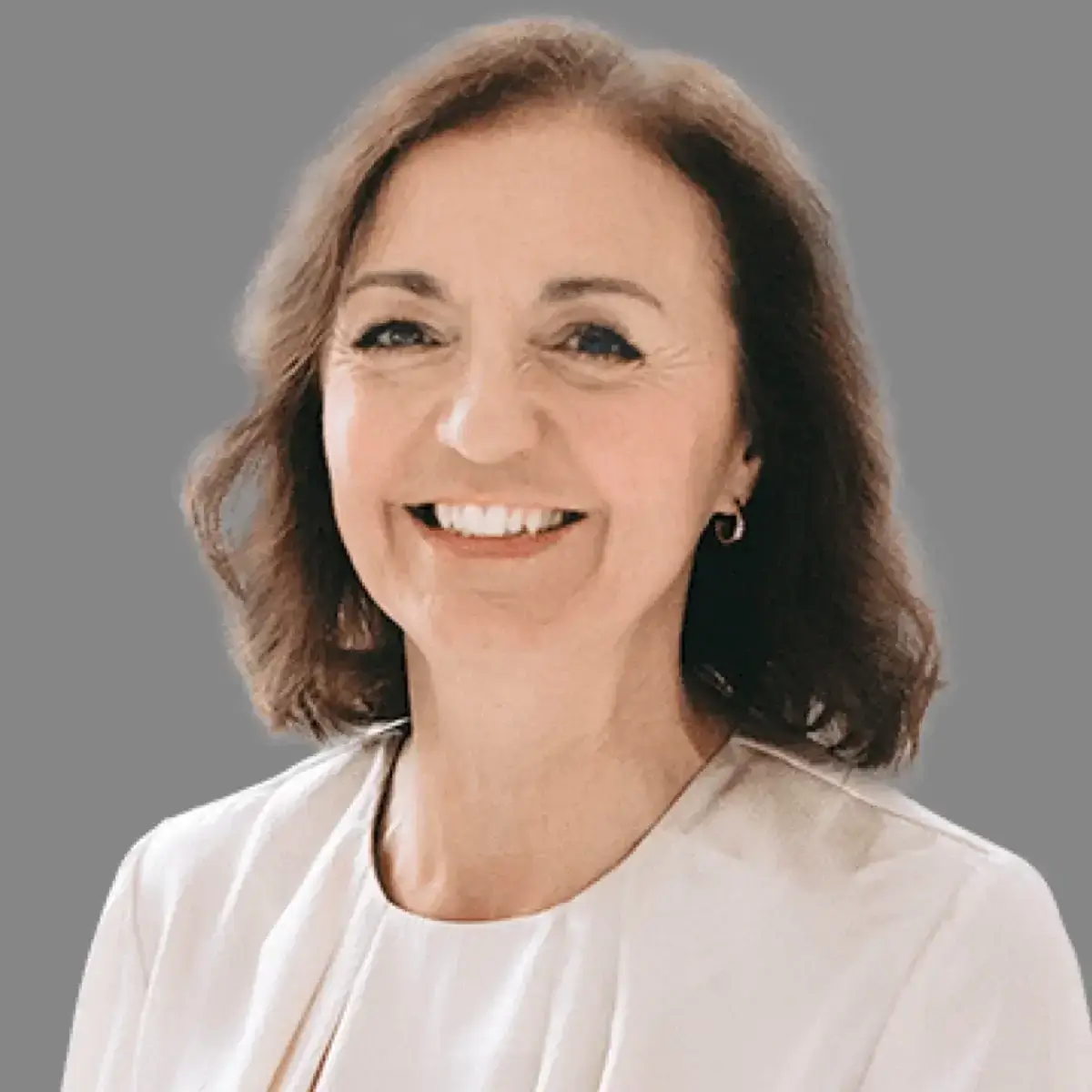
A course guided by Julie Fendall’s clinical experience
The programme is led by Julie Fendall, an osteopath with extensive clinical and teaching experience in paediatric osteopathy.
With many years’ experience in the assessment and treatment of newborns, infants and children, Julie has trained osteopaths in numerous international settings, contributing to the promotion of a paediatric approach based on clinical reasoning, patient safety and interdisciplinary collaboration.
Her direct experience with numerous clinical cases enables her to consistently integrate theory with practical examples, real-life cases and strategies that can be immediately applied in professional practice.
Course location
Teacher
Program
{{ item.lesson.description }}
{{ item.lesson.description_en }}
by · {{ item.lesson.teacher.firstname }} {{ item.lesson.teacher.lastname }} · {{ item.lesson.teacher_2.firstname }} {{ item.lesson.teacher_2.lastname }} · {{ item.lesson.teacher_3.firstname }} {{ item.lesson.teacher_3.lastname }}Target audience
When
Timetable
Language of the course
Info
Support
We are at your disposal to offer you clarification on courses and AOI modalities
Approccio osteopatico alla pediatria - I primi 18 mesi di vita
Related courses



Sign in
Enter your data to log in
Please note, following the platform upgrade, you will necessarily have to perform a recovery of your password in order to log in. Recover ›
Recover data
Forgotten your password? Don't worry, enter your email to retrieve your credentials.
Sign up
Enter your data to register
Your personal data will be used to support your experience on this website, to manage your account access and for other purposes described in our privacy policy.