
Anatomy of the Thorax, Abdomen, Pelvis and Perineum
Functional Anatomy - Dr Willard
A new on-demand course in Functional Anatomy of the Viscera has been developed through the collaboration between Advanced Osteopathy Institute, Professor Frank H. Willard, and the University of New England College of Osteopathic Medicine (UNE COM). The course is dedicated to an in-depth study of the anatomy and physiology of the visceral organs and their relationships with the somatic system.
This advanced educational programme integrates anatomy, physiology, histology, embryology, and pathology, providing a functional and clinically oriented understanding of the human body.
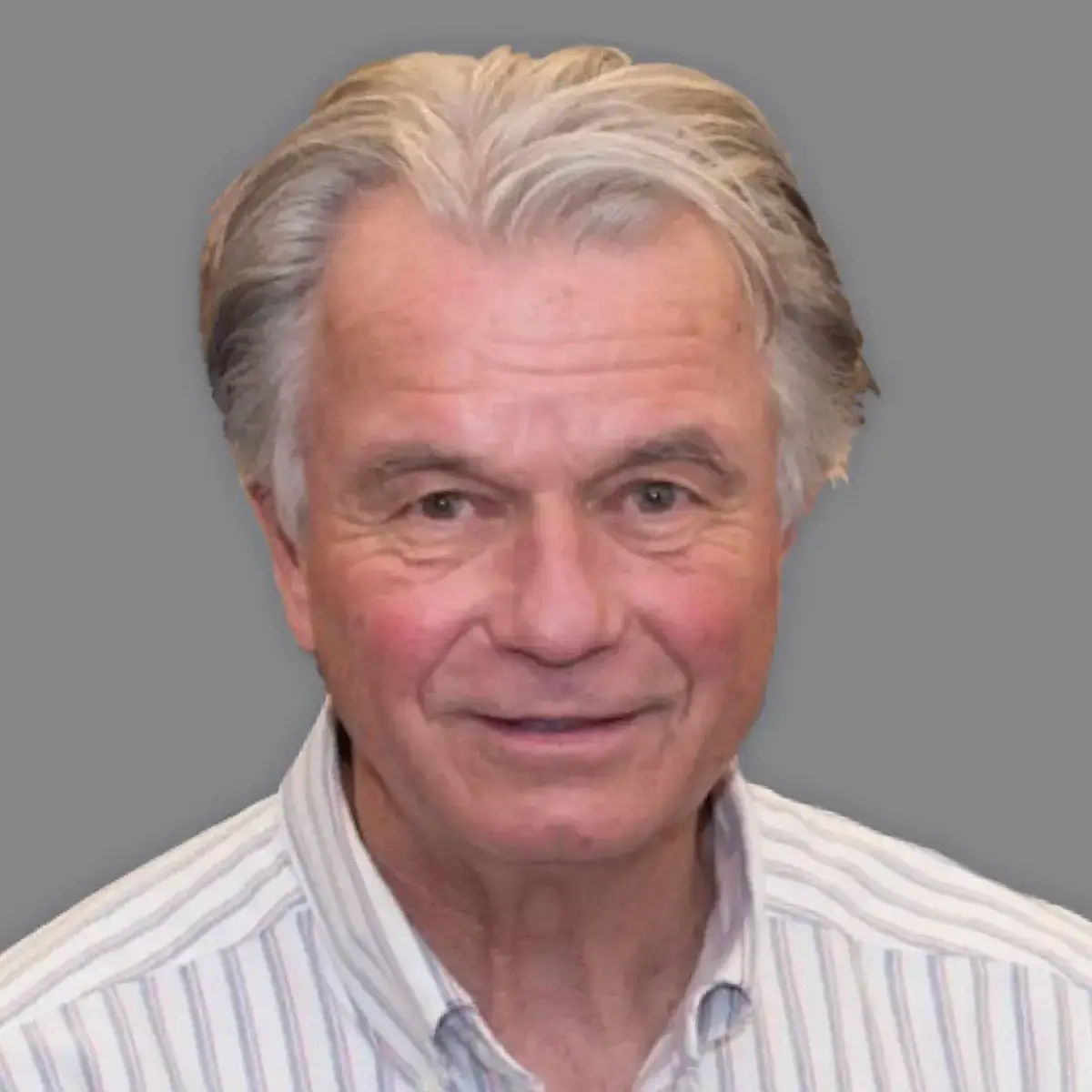
The course is led by Professor Frank H. Willard, an internationally recognised authority in anatomy applied to osteopathy. His ability to integrate anatomical knowledge with physiology, innervation, and clinical implications allows participants to go beyond the descriptive study of individual organs and develop a deeper understanding of their relationships, functions, and connections within the body.
The course progressively explores the main visceral regions of the body, beginning with the thorax, continuing through the abdomen, and concluding with the pelvis and perineum, building a three-dimensional and functional understanding of visceral anatomy.
Particular attention is devoted to viscerosomatic relationships, exploring the integration between the visceral and somatic components of the nervous system and the ways in which these interactions may influence the patient’s function and clinical presentation.
The aim is not only to understand where an organ is located, but, more importantly, how it is organised, which structures it relates to, how it receives and transmits information, and what clinical implications this organisation may have in clinical practice.
The Dissection Laboratory: Exploring Anatomy Firsthand
One of the most distinctive features of the course is the inclusion of dissection laboratory sessions. Alongside the theoretical lessons and clinical case discussions, Professor Willard directly demonstrates the anatomical structures covered throughout the course using anatomical specimens and cadaveric material.
Dissection provides participants with the opportunity to observe the three-dimensional relationships between organs and surrounding structures firsthand, making anatomical features that are difficult to fully appreciate through two-dimensional textbook representations much more tangible and understandable.
Guided by Professor Willard’s extensive experience, these sessions allow participants to connect the anatomy studied in the lectures with its actual organisation within the human body, making dissection a powerful tool for both anatomical understanding and clinical reasoning.
Clinical Cases and Osteopathic Reasoning
The course goes beyond theoretical instruction, with lessons also built around the presentation and analysis of real clinical cases. Anatomy therefore becomes the starting point for exploring the mechanisms underlying visceral and somatic pain syndromes, examining possible relationships between structures and systems, and understanding the integration between visceral and somatic components.
This approach allows participants to develop a deeper understanding of anatomy while acquiring tools that can help them interpret clinical signs and support the diagnostic reasoning process.
Course Objectives
The course is designed for professionals who wish to deepen and integrate their knowledge of visceral anatomy, physiology, and pathology, developing a more precise understanding of the anatomical and functional relationships that characterise the human body.
In particular, the course aims to:
- deepen knowledge of the functional and topographical anatomy of the viscera;
- understand the relationships between anatomy, physiology, innervation, and vascular supply;
- explore the mechanisms underlying viscerosomatic integration;
- develop a greater ability to interpret visceral and somatic pain syndromes;
- integrate anatomical knowledge into clinical reasoning;
- use direct observation during dissection to consolidate an understanding of three-dimensional anatomy.
Course Structure
The programme is divided into 3 training modules, following an anatomical progression through the main visceral regions of the body:
Module 1 – Thorax
The functional anatomy of the thoracic organs, their anatomical relationships, innervation, vascular supply, and main clinical correlations.
Module 2 – Abdomen
An in-depth study of the abdominal viscera through anatomy, physiology, embryology, vascular supply, lymphatic drainage, and innervation, with particular attention to viscerosomatic relationships.
Module 3 – Pelvis and Perineum
An analysis of the anatomical and functional organisation of the pelvis and perineum, the relationships between the organs, and their neurological and somatic connections.
Overall, the programme comprises 16 on-demand modules and approximately 60 hours of training, combining theoretical lessons, real clinical case analysis, and in-depth dissection laboratory sessions.
Programme
Part I - Thorax
- Session 1 - The pelvic wall and elevator anus
- Session 2 - The anatomy and histology of the trachea, bronchi and the lungs
- Session 3 - Middle mediastinum, pericardial sac and external and internal anatomy of the heart
- Session 4 - Development of the lungs and heart and their congenital abnormalities
- Session 5 - Posterior mediastinum and the Innervation of the heart and lungs and their associated pain syndromes
Part II - Abdomen
- Session 1 - Anterior abdominal body wall and the peritoneal cavity and the disposition of abdominal organs
- Session 2 - The vascular system of the abdominal organs – the anatomy and histology of the celiac organs and the superior and inferior mesenteric organs
- Session 3 - Neuroimmune system
- Session 4 - The posterior abdominal wall, the innervation of the abdominal organs and lumbar plexus and the associated pain syndromes
- Session 5 - Development of the abdominal organs and their congenital abnormalities
Part III - Pelvis and Perineum
- Session 1 - The pelvic wall and elevator anus
- Session 2 - The anatomy and histology of the female pelvic cavity and perineum
- Session 3 - The anatomy and histology of the male pelvic cavity and perineum
- Session 4 - The vascular supply of the pelvic cavity, the anatomy of the urinary bladder and the rectum
- Session 5 - Innervation of the pelvic organs and their associated pain syndromes
- Session 6 - Development of the male and female pelvic organs
Program
Who is the course for
Facilities
Frequent Questions
What language is the course in?
Is a certificate of attendance issued for on-demand courses?
Is it possible to download the course material?
Can I participate in the course even if I am not an osteopath?
Can I access the course from multiple devices?
How is the course organised?
If I have problems accessing the course, what can I do?
How long will I have access to the course content?
Support
We are at your disposal to offer you clarification on courses and AOI modalities
I visceri - Anatomia funzionale di torace, addome, pelvi e perineo
Related courses




Sign in
Enter your data to log in
Please note, following the platform upgrade, you will necessarily have to perform a recovery of your password in order to log in. Recover ›
Recover data
Forgotten your password? Don't worry, enter your email to retrieve your credentials.
Sign up
Enter your data to register
Your personal data will be used to support your experience on this website, to manage your account access and for other purposes described in our privacy policy.